
A smart home isn't a pile of smart devices
Why a professionally integrated smart home outlasts a collection of separate devices: one experience, a secure network, and support when you need it.
Smart bulbs, a smart lock, a camera, a thermostat. Each one works fine on its own. Add a few more and you are juggling six apps, three logins, and a Wi-Fi network that was never designed for any of it.
That is the hidden cost of doing it yourself. It is rarely the first device that causes trouble. It is the tenth.
What custom integration changes
Custom integration means the lighting, shades, audio, cameras, and climate are designed as one system, not collected one purchase at a time. Four things change:
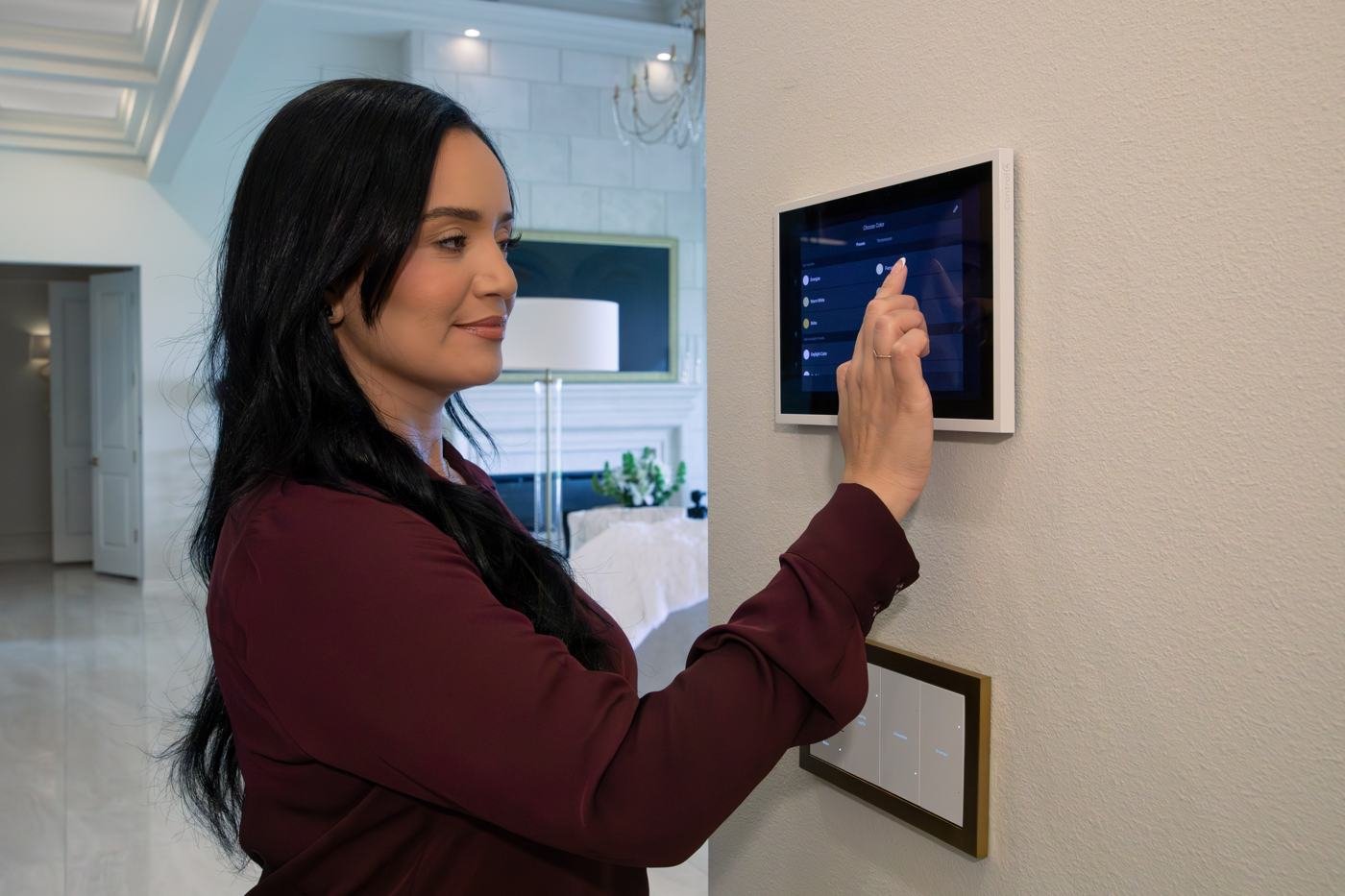
- One experience, not six apps. Lighting, shades, audio, cameras, and climate respond to each other and are controlled from one place, whether that is a keypad, a touchscreen, or your voice.
- Designed around how you live. Not a generic setup built for everyone, but a system built around your home, your routines, and your family.
- A secure foundation. Every connected device is a door into your network. A properly designed network and correctly configured devices matter more than most homeowners realize.
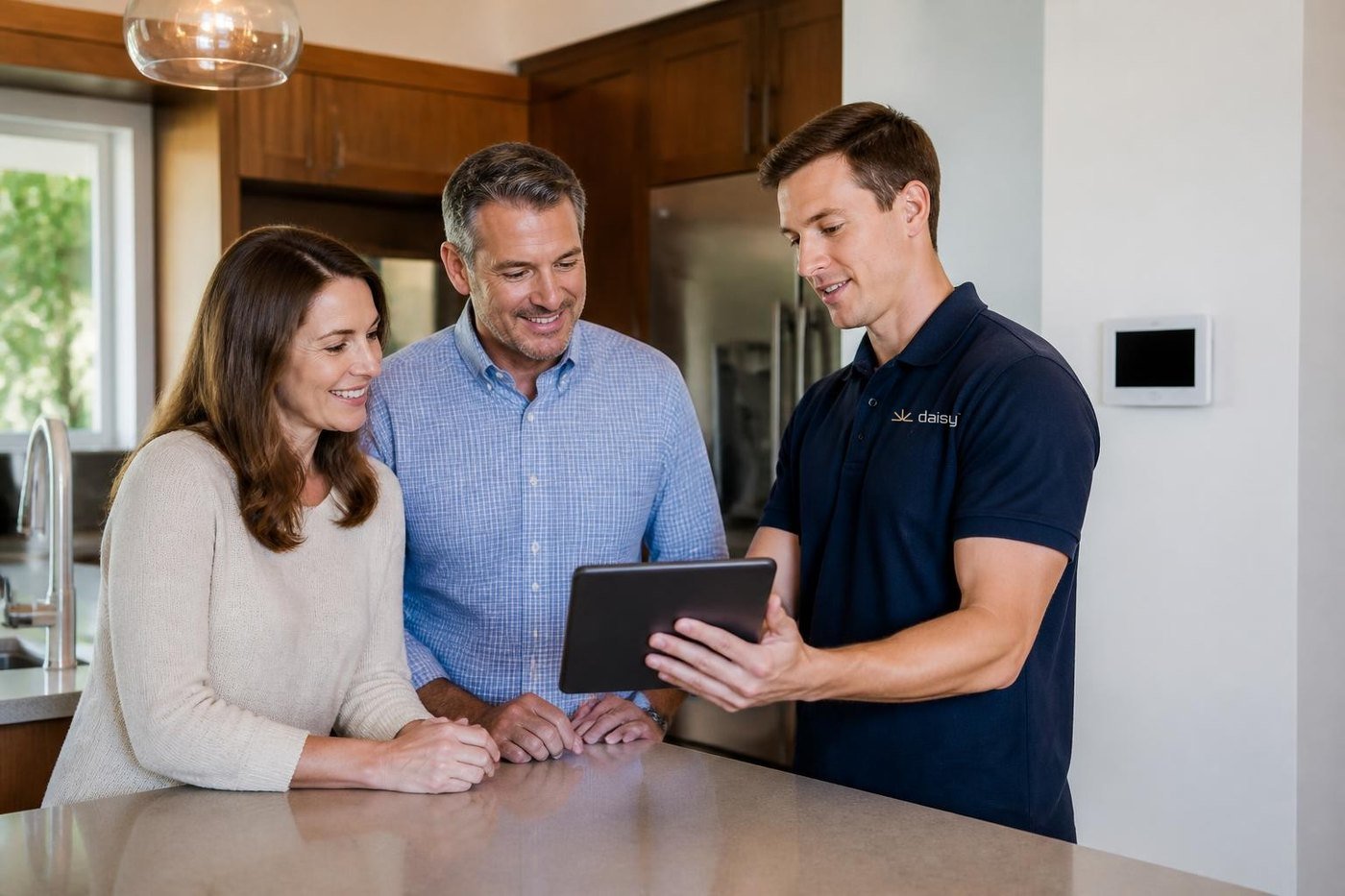
- Training and support. The best system is the one you actually feel comfortable using, and one that someone will stand behind when something needs attention.
Why the cost is higher up front
Professional-grade equipment costs more at the start. It is built to last, to work together, and to fade into the background, which is how technology in a home should feel. A setup you keep replacing, re-pairing, and working around tends to cost more over time.
Integrated or assembled?
The difference shows up quickly. An integrated home has one plan: a wired network, devices chosen to work together, scenes that run the whole house with one touch, and a person to call. An assembled home has a pile of products, each with its own app, its own account, and its own way of failing.
If you are still deciding where to begin, our guide to what drives smart home costs explains how to phase a project, and the pre-wire checklist shows what to plan before the walls close.