
Motorized blinds or shades? Choosing window coverings for a Texas home
Blinds, shades, drapery, or sheers? How to choose motorized window coverings for Texas sun, privacy, and style, and what to know before you buy.
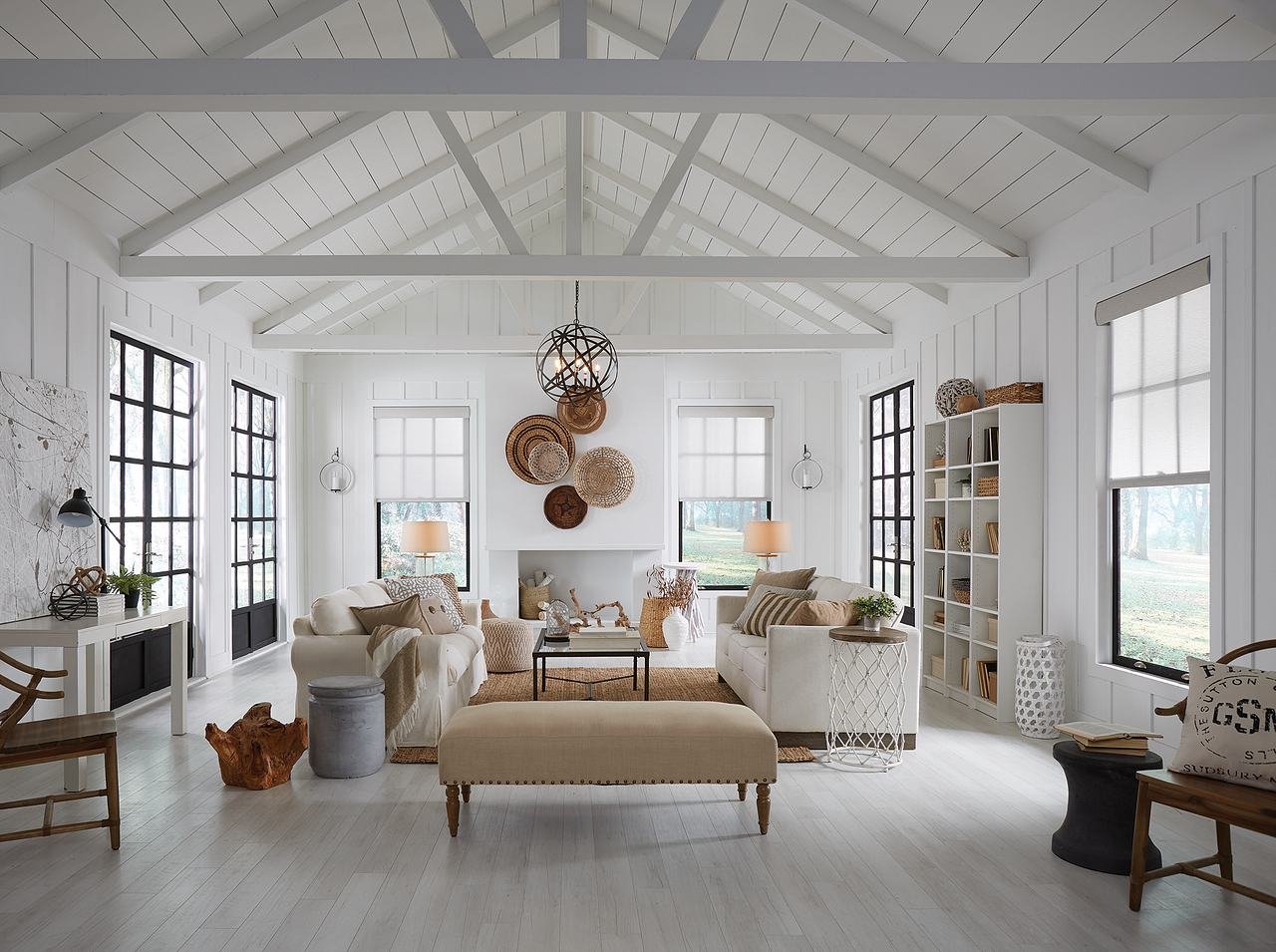
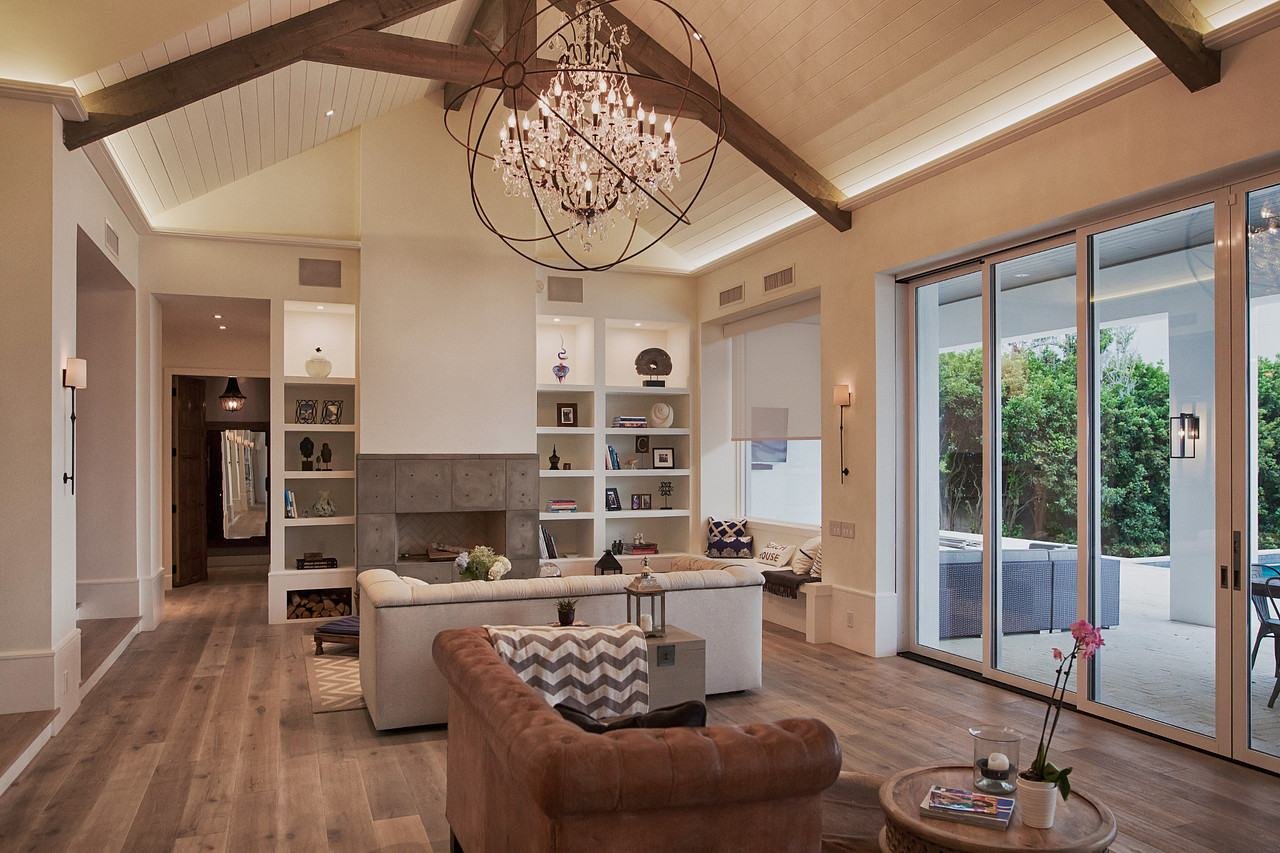
Image courtesy of Lutron Electronics.
If you are shopping for window coverings, you will hear the words blinds, shades, and window treatments used almost interchangeably. People often search for "motorized blinds" when they really want motorized shades, and that is fine. What matters is knowing the differences, because the right choice depends on the room, the sun, and how you live.
Blinds, shades, and drapery: what is the difference?
- Blinds have slats (horizontal or vertical) that tilt to adjust light and privacy.
- Shades are a single piece of fabric that raises and lowers. Roller shades are flat and clean, and cellular (honeycomb) shades have air pockets that help insulate the window.
- Roman shades fold into soft pleats, a favorite for dining rooms, bedrooms, and formal spaces.
- Drapery and sheers add softness and color and can be motorized to open and close along a track.
"Window treatments" is the broader term that covers all of them. Most of these styles can be motorized, so you do not have to choose between the look you want and the convenience of a keypad, an app, or your voice.
What Texas sun asks of your windows
West-facing glass takes the full afternoon sun for much of the year, which means glare on screens, heat building up in the room, and furniture and floors that fade. The most useful window coverings here do three jobs:
- Cut glare and heat. Solar fabrics let you keep the view while softening the light. Lowering them in the afternoon also helps your air conditioning.
- Give privacy when you want it. Blackout fabrics suit bedrooms and media rooms. Many homeowners use a dual shade, with a solar layer and a blackout layer in the same window.
- Protect your home. Less direct sun means less fading for hardwood floors, art, and fabrics.
For more on this, see our article on motorized shades and the Texas heat.
Why motorize them?
Motorized window coverings are about more than convenience:
- Hard-to-reach windows. Tall two-story windows and wide glass doors open and close from a keypad, an app, or your voice.
- Schedules. Lower west-facing shades in the afternoon and raise them at sunset, automatically.
- Scenes. One button can dim the lights and close the shades for movie night, or open them in the morning.
- No cords. Motorized shades are cordless, a clean look and a good choice for homes with small children or pets.
- A matched look. When all the shades move together and line up at the same height, the whole room looks finished.
Battery-powered or wired?
For a home you already live in, battery-powered shades are usually the easiest path, because there is no new wire to the window and no opening walls. For a new build or remodel, wired shades with low-voltage wire planned before drywall give the cleanest result. Our motorized shades page explains both.
Questions to ask before you choose
- Which windows get direct sun, and at what time of day?
- Do you want to keep the view, or block it out?
- Which rooms need privacy at night?
- Do you want the shades to join your lighting scenes, keypads, or voice control?
- Who will measure, install, and program them, and who do you call if something needs adjusting?
Choosing a brand
We offer Lutron Triathlon shades, Hunter Douglas motorized shades, and custom Roman shades, drapery, and exterior shades from Shades by Matiss. We help you choose between them for each window, so you get the right fit for the room rather than one product everywhere.